If you're watching your portfolio shrink and headlines scream about massive losses, you might be asking: what is a 40% drop in the stock market called? The short, technical answer is a bear market. But that label barely scratches the surface. Knowing the term isn't the same as understanding what it means for your money, how long it might last, or—most importantly—what you should actually do about it. I've been through a few of these cycles, and the fear feels real every time. Let's cut through the noise and look at what a bear market really is, why they happen, and how to not just survive, but potentially position yourself for the recovery.
What You'll Learn in This Guide
What Exactly is a Bear Market?
Forget the vague "bad market" descriptions. On Wall Street, a bear market has a specific, widely accepted definition. It's a sustained decline of 20% or more from a recent peak in a broad market index, like the S&P 500 or the Dow Jones Industrial Average. The drop is measured from closing price to closing price to filter out daily noise.
Now, a 40% drop? That's not just a bear market—that's a deep or severe bear market. It's the difference between a bad storm and a hurricane. While 20% is the official threshold, most bear markets that sear themselves into investor memory—think 2008 or 2000—plunge much deeper, often between 30% and 50%.
Key Point: The "bear" metaphor comes from the animal's attacking motion—swiping its paws downward. It visually represents falling prices. The opposite, a bull market, is symbolized by the bull thrusting its horns upward.
It's also about psychology and time. A bear market isn't a one-day crash (though it can start with one). It's a prolonged period of pessimism, where falling prices feed fear, and fear leads to more selling. This negative feedback loop is what turns a 20% dip into a potential 40% rout. The average bear market, according to data from S&P Dow Jones Indices, lasts about 14 months. But the deep ones, the ones that test everyone's resolve, can go on for much longer.
How is a Bear Market Different from a Correction?
This is where many investors get tripped up. They hear "market is down 15%" and panic as if it's a bear market. Knowing the difference is crucial for keeping your cool.
- Market Correction: A decline of 10% to 19.9% from a recent high. Think of it as the market's way of letting off steam. It's relatively common, happening about once every two years on average. Corrections are often sharp and scary but tend to be shorter, resolving in a few months.
- Bear Market: A decline of 20% or more. This is a shift in the market's fundamental mood. It indicates broader economic worries and a sustained loss of investor confidence.
Here’s the subtle mistake I see even seasoned investors make: they treat every 10% drop as the start of a 2008-style collapse. Most of the time, it's not. Corrections are a normal, healthy part of the market cycle. Reacting to every correction as a bear market leads to selling low and missing the eventual bounce. The real skill is in assessing whether a correction has the ingredients (like a major economic shock) to morph into a bear market.
What Causes a 40% Stock Market Drop? The Common Triggers
A 10% correction might happen for no obvious reason. A 40% bear market doesn't. It's usually driven by one or a combination of these major factors:
Economic Recessions: This is the big one. When the economy contracts, corporate profits fall, layoffs rise, and consumer spending shrinks. The stock market, anticipating lower future earnings, prices this in aggressively. The bear market of 2007-2009 was a textbook example, triggered by the global financial crisis and the Great Recession.
Asset Bubbles Bursting: When prices are driven to insane levels by speculation rather than value, the pop is brutal. The 2000-2002 bear market (the dot-com crash) saw the Nasdaq fall nearly 80% as the tech bubble evaporated. Investors who bought at the peak based on "this time it's different" narratives took decades to recover.
External Systemic Shocks: Events that are unprecedented and disrupt the entire global system. The COVID-19 pandemic in early 2020 caused a rapid 34% bear market (which was unusually short, thanks to massive stimulus). Wars, major geopolitical crises, or a sudden freeze in credit markets (like the 2008 Lehman Brothers collapse) can have the same effect.
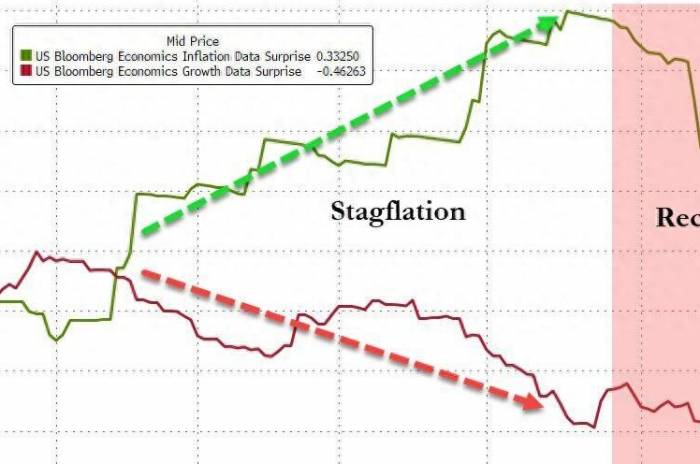
Aggressive Monetary Policy: When the Federal Reserve raises interest rates rapidly to fight inflation, it increases borrowing costs for companies and cools the economy. The bear market of 2022 was largely fueled by the Fed's fastest rate-hiking cycle in decades. High inflation itself also erodes the real value of future corporate profits, making stocks less attractive.
A Look Back: Historical Bear Markets and the 40% Club
History doesn't repeat, but it often rhymes. Seeing past bear markets provides context and, frankly, some comfort—they all ended.
| Bear Market Period | Primary Cause | S&P 500 Decline | Duration (Approx.) | Key Lesson |
|---|---|---|---|---|
| 1929-1932 (Great Depression) | Credit bubble, bank failures | -86% | 33 months | Unchecked systemic risk can lead to catastrophic, multi-year declines. |
| 2000-2002 (Dot-com Crash) | Tech stock bubble | -49% | 31 months | Valuations matter. "Story" stocks without earnings can collapse completely. |
| 2007-2009 (Global Financial Crisis) | Housing/credit bubble, Lehman collapse | -57% | 17 months | Leverage in the financial system magnifies losses. Government/Fed intervention is a critical turning point. |
| 2020 (COVID-19 Pandemic) | Global economic shutdown | -34% | 1 month | Bear markets can be incredibly swift. Liquidity and stimulus can drive a V-shaped recovery. |
| 2022 | High inflation, aggressive Fed rate hikes | -25% | 9 months | Markets can decline even without a recession, purely on the expectation of slower growth. |
Notice something? The ones that exceed 40% are typically tied to recessions and bursting bubbles. The 2022 bear market, painful as it was, stayed in the 20-25% range partly because a recession was (arguably) avoided. This table shows why a 40% drop is a different beast—it usually requires a fundamental breakdown in the economy or a major speculative excess being purged.
What Should You Do During a 40% Market Drop? (A Step-by-Step Mindset)
This is the only part that matters to your portfolio. Action based on panic is usually wrong. Here’s a framework I’ve used myself.
1. Don't Make a Bad Situation Worse
Your first job is to do no harm. Selling all your stocks at a 40% loss locks in that loss and guarantees you miss the recovery. The single best days in the market almost always occur during bear markets or right at their bottom. Being out of the market on those days devastates long-term returns. Take a deep breath and turn off the financial news if it's causing anxiety.
2. Revisit Your Financial Plan (Not Your Portfolio)
If you have a long-term plan (10+ years), a bear market should be part of the expectation. Ask: Has my time horizon changed? Do I need this money within the next 3-5 years for a house down payment or tuition? If the answer is no, your plan likely doesn't need a radical change. If you do need the money soon, that portion shouldn't have been in stocks to begin with—a tough lesson learned during the downturn.
3. Consider Strategic Moves, Not Reactionary Ones
- Rebalance: A 40% drop likely threw your asset allocation out of whack. You may now have less in stocks and more in bonds than intended. Rebalancing means buying more stocks when they are cheap to get back to your target allocation. This is disciplined, contrarian investing.
- Tax-Loss Harvesting: Sell investments that are down to realize a capital loss, which can offset taxes on gains or income. You can immediately reinvest in a similar but not identical fund (e.g., sell an S&P 500 ETF and buy a Total Market ETF). This improves your tax situation without changing your market exposure.
- Dollar-Cost Averaging (DCA): If you have cash on the sidelines, deploy it in regular, smaller chunks over the next 6-12 months. This avoids the impossible task of trying to "catch the bottom" and smooths your entry price.
I made my best investments during the 2008-2009 mess, buying high-quality companies everyone else hated. It wasn't easy, but it paid off massively in the following decade.
4. Use the Time for Research and Quality Checks
A bear market is a fire sale on assets. It's time to update your watchlist. Which great companies are now trading at reasonable or even cheap valuations? Look for firms with strong balance sheets (low debt), consistent cash flow, and products people need regardless of the economy. Avoid trying to catch falling knives in the most speculative sectors.
Your Bear Market Questions Answered
So, what is a 40% drop in the stock market called? It's a severe bear market. It's a test of your financial plan and your emotional fortitude. It feels apocalyptic when you're in it, but history is clear: they are a periodic, painful feature of investing, not a bug. The markets have always recovered and gone on to new highs. Your job isn't to predict the bottom, but to ensure your strategy is robust enough to endure the storm and your mindset is clear enough to see the opportunities it leaves behind. Stay disciplined, focus on quality, and remember that time in the market has always beaten timing the market—especially during the darkest days.

Share Your Experience